Custom Plastic Injection Molding Service
Get custom plastic molded prototypes and production parts. We provide expert engineering reviews for your first mold. Dozens of materials and finishes are available.
Send Your Inquiry Today
What Is Injection Molding?
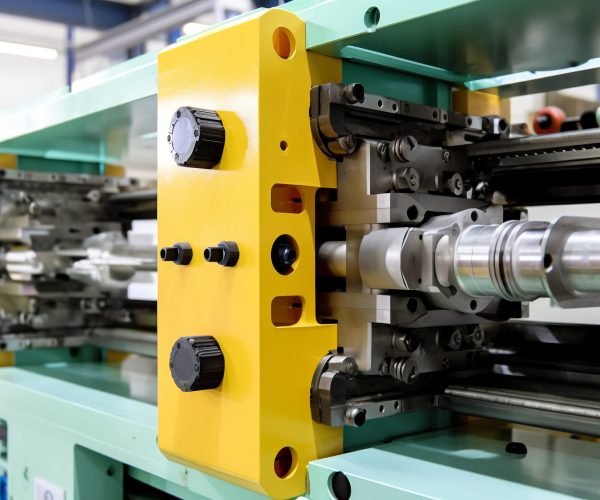
Injection molding is recognized as the most economical method for mass producing plastic parts. The process involves injecting molten plastic into a mold tool and then ejecting the hardened part. This cycle repeats rapidly, hundreds or thousands of times, which distributes the cost of the mold tool across the units, significantly reducing the per-part cost. Consistent quality is ensured as each part is produced using the same mold. Injection molding also boasts the widest range of materials, colors, finishes, and surface textures compared to other manufacturing processes like CNC machining or 3D printing.
At TOPS, our custom plastic mold service offers on-demand prototyping and production molding with a customer-first approach. We ensure the right injection molding supplier from our network is selected to produce your parts precisely as needed, without compromising on design, and at an appropriate cost. Each mold quote and project benefits from expert consultation and dedicated project management, guiding your parts from conception to production.
Send Your Inquiry Today
Injection Molding Capabilities
| Service | Details |
|---|---|
Lead Time | Begins within one week, including fast quote responses with design-for-manufacturing (DFM) feedback |
Materials | We handle a broad range of plastics, including options for custom sourcing and matching to meet your specific needs. Please refer to the materials list below for detailed options. |
Machines Available | Single, multi-cavity, and family molds; supported by a wide range of press tonnages from 50 to 1,100+ tons, as well as side actions and hand-loaded cores. |
Inspection and Certification Options | Includes FAI and PPAP. |
Tool Ownership | Customer-owned with mold maintenance |
Mold Cavity Tolerances | +/- 0.005" when machining the mold and an additional +/- 0.002" per inch when calculating for shrink rate |
Part to Part Repeatability | +/- 0.004" or less |
Critical Feature Tolerances | Requesting tighter tolerances is possible but may increase the cost of tooling due to the need for additional sampling and grooming. TOPS commits to milling to a steel-safe condition on critical features to ensure precision. |
Available Mold Types | We utilize steel and aluminum for tooling, offering production grades that vary from Class 105, suitable for prototype molds, to Class 101, designed for extremely high production volumes. Typically, TOPS produces tools in the Class 104, 103, and 102 range. |
This table depicts the general tolerances for TOPS injection molding services and accounts for adequate draft, radii, and coring for manufacturability.
Molding Options Available at TOPS
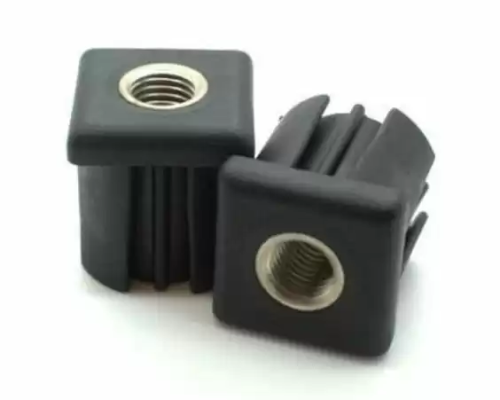
Insert Molding Service
Create robust, functional prototypes and production components through our insert molding services.
Send Your Inquiry Today
Send Your Inquiry Today
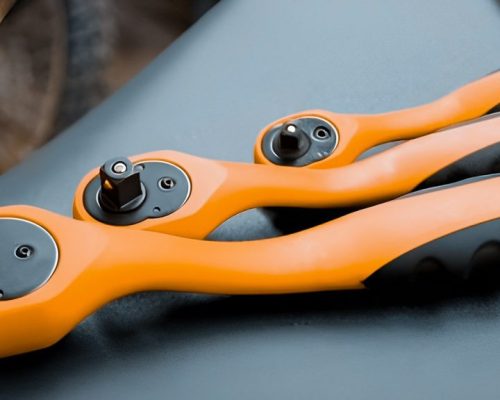
Overmolding Service
We offer a high-quality process tailored for pilot runs, low-volume production, and bridge tooling to ensure your project's success at every stage.
Send Your Inquiry Today
Send Your Inquiry Today
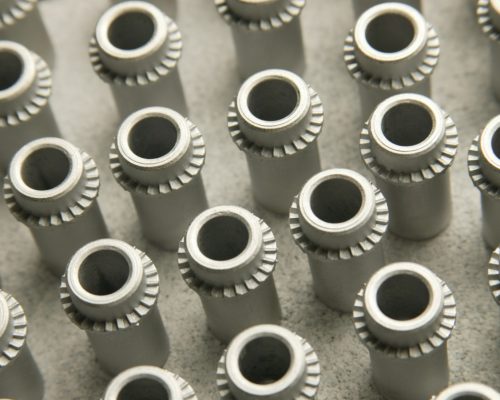
Metal Injection Molding Service
Acquire intricate, small-sized metal parts in large quantities with TOPS, subject to availability. Please note that TOPS does not guarantee the availability of this service at all times.
Send Your Inquiry Today
Send Your Inquiry Today
How Custom Plastic Injection Molding Works
The plastic injection molding process necessitates an injection molding machine, raw plastic material, and a machined mold. Initially, the plastic material is melted in the injection unit of the machine. It's then injected into a mold, typically made from steel or aluminum, where it cools and solidifies to form the final part.
At TOPS, the process begins with a thorough review of your plastic injection molding inquiry. We then consult with you to confirm that your specifications, lead times, and pricing align with your project requirements. Using your 3D part data, we CNC machine a high-quality injection mold. After the initial parts are molded, we send out T1 samples for your approval. Following any necessary refinements and your final approval of the mold, we proceed with production. TOPS is equipped to mold a wide range of products and parts, from tiny medical inserts to substantial components for the automotive, aerospace, and defense sectors.
Hard Plastic Materials:
- ABS (acrylonitrile butadiene styrene)
High-strength general-purpose engineering plastic, used for many commercial products. - ASA (acrylonitrile styrene acrylate)
A material very similar to ABS with higher resistance to fading and better suited for outdoor use. - CA (cellulose acetate)
Typically used in eyeglasses and film, CA is a flexible clear material that can be used in food contact. - HDPE (high-density polyethylene)
Excellent strength-to-weight ratio and chemical resistance. It is often used for fuel tanks, connector insulators, and food containers. HDPE is also used in outdoor equipment like playgrounds. - LCP (liquid crystal polymer)
LCP has mechanics even at elevated temperatures as well as low dielectric constants. This material provides exceptional features for micromolding and thin walled components. LCP is popular for electrical connectors and interconnects as well as medical devices. - LDPE (low-density polyethylene)
A flexible and tough material with lower density versus HDPE. LDPE does not react to acids, bases, or alcohols. Useful for trays, snap lids, and general-purpose containers. - PA 6 (polyamide 6, nylon 6)
Offers increased mechanical strength, rigidity, good stability under heat, and/or chemical resistance. - PA 6/6 (polyamide 6/6, nylon 6/6)
Offers increased mechanical strength, rigidity, good stability under heat, and/or chemical resistance. - PARA (polyarylamide)
Often combined with infills such as glass or mineral fibers, PARA creates rigid parts with low creep and a slower rate of water absorption than nylon (PA). PARA is excellent for structural components in handheld and medical electronics. - PBT (polybutylene terephthalate, Valox)
A common electronic insulator with a polyester base. Highly used in automotive as a longer-wear alternative to nylon. - PBT-PET (polybutylene terephthalate-polyethylene terephthalate)
A compounded blend of PBT and PET. - PC (polycarbonate)
A clear or colored, lightweight, glass-like plastic that is heavily used across multiple industries. PC is impact resistant, holds great feature detail, and can be used for safety equipment, lenses, electronic devices, and much more. - PC-ABS (polycarbonate-acrylonitrile butadiene styrene)
The best of both PC and ABS. Higher-strength engineering thermoplastic with slightly more flexibility than standard polycarbonate. - PC-PBT (polycarbonate-polybutylene terephthalate, Xenoy)
A tough and rigid material resistant to lubricants, solvents, and cleaning agents. Very common in electronic enclosures. - PC-PET (polycarbonate-polyethylene terephthalate)
A blend of PC and PET provides tough and chemically resistant results and can be used as an alternate to PC-ABS. It endures harsh solvents and cleaners, making it excellent for sports equipment and healthcare applications. - PCT (polycyclohexylenedimethylene terephthalate)
A thermoplastic polyester that typically outperforms PET due to lower moisture absorption and better environmental stability. PCT is often used for connectors and switches. - PE (polyethylene)
One of the most common plastics used in the world, PE has high ductility, abrasion resistance, and chemical resistance. PE is often described by its molecular weight, such as UHMW PE (ultra-high molecular weight), LDPE (low density), or HDPE (high density). PE is used in packaging, tubing, films, bottles, and more. - PEEK (polyether ether ketone)
Offering excellent tensile strength that surpasses most plastics, PEEK is often used as a lightweight substitute for metal parts in high-temperature, high-stress applications. PEEK resists chemicals, wear, and moisture. - PEI (polyetherimide, Ultem)
Known best for its extremely high heat and flame resistance, PEI is used for many medical applications and is more affordable than PEEK. - PE-PP (polyethylene-polypropylene)
A resin blend of the polyolefin’s polypropylene and polyethylene. - PE-PS (polyethylene-polystyrene)
A resin blend of the polyethylene and polystyrene. - PES (polyethersulfone)
A rigid, transparent plastic that is chemically inert, biocompatible, and sterilizable. PES is suitable for food-contact devices such as coffee machine components as well as aerospace and automotive where chemical exposure is high. - PET (polyethylene terephthalate, Rynite)
Also abbreviated PETE, this is a clear, strong, and lightweight PE resin heavily used in food packaging, soda bottles, jars, and more. The material is food-safe. PET is recyclable with a resin code of 1. - PLA (polylactic acid)
A biodegradable and renewable plastic. PLA has a relatively low glass transition temperature and is common in short-use applications. - PMMA (polymethyl methacrylate, acrylic)
A clear glass-like plastic. Good wear and tear properties. Great for outdoor use. - POM (acetal polyoxymethylene, Delrin)
Good moisture resistance, high wear-resistance, and low friction. - PP (polypropylene)
Polypropylene has excellent electrical properties and little or no moisture absorption. It carries light loads for a long period in varying temperatures. It can be molded into parts requiring chemical or corrosion resistance. - PPA (polyphthalamide)
A subset of nylons (polyamide) that typically exhibit a higher melting point and lower moisture absorption. PPA is typically used in automotive and industrial applications because it can withstand harsh chemicals. PPA is good for fuel and fluid manifolds and headlight housings. - PPS (polyphenylene sulfide, Ryton)
A high-performance thermoplastic with extreme resistance to solvents. - PS (polystyrene): A clear, hard, and brittle material widely used for food packaging, clamshell containers, and even disposable cutlery.
- PS-PPE (polystyrene-polyphenyl ethers, Noryl)
Exhibiting high heat and flame resistance, PPE-PS has high stiffness and tensile strength even at elevated temperatures. - PSU (polysulfone, Udel)
A rigid, stiff, and transparent plastic which is a higher-performance alternative to polycarbonate. - PVC (polyvinyl chloride (Shore D))
A rigid, general-use plastic that is common in plumbing, non-food packaging, and trimming. - PVDF (polyvinylidene fluoride, Kynar)
A chemically inert, high-temperature material. Due to its low friction, PVDF is used in plumbing parts, bearings, chemical handling, electrical wire insulation, and tubing. - SAN (styrene acrylonitrile)
A polystyrene that is heat resistant and transparent. Due to its relationship with polystyrene, SAN is low cost and has enhanced clarity and shine. SAN is common in household goods, door handles, and kitchenware. - TPO (thermoplastic polyolefin)
A flexible plastic with good chemical resistance but lower temperature resistance compared to PP. - TPU (thermoplastic polyurethane (Shore D))
A tough, highly abrasion-resistant resin that bridges the gap between rubbers and plastics. TPUs can be formulated to be rigid or elastomeric. TPU exhibits a high flex before break and is ideal for wheels and door panels.
Elastomer and Rubber Molded Materials:
Manufacturing elastomeric parts can be accomplished through injection molding, transfer molding, or compression molding. When getting a quote through TOPS, our team can help you decide the best method depending on the part geometry, estimated annual volume, and the type of material required.
- EPDM (ethylene propylene diene monomer rubber (Viton))
One of the highest performing rubber elastomers with high heat resistance, chemical resistance, and moisture sealing properties. EPDM is commonly found in automotive seals, gaskets, O-rings, and electrical insulators. - PEBA (polyether block amide)
A soft, flexible, plastic or elastomer used for medical devices such as catheters. PEBA foams are used for padding, shoe insoles, and sports equipment. PEBA is resistant to moisture and UV exposure. - PVC (polyvinyl chloride (Shore A))
A soft rubber-like, general use elastomer, that is common in outdoor products, protective films, and mats. Shore A rubber-like PVC requires plasticizers to improve its flexibility from its typical rigid state. PVC is flame retardant due to self-extinguishing properties. - TPE (thermoplastic elastomer)
A broad class of elastomers that behave like a thermoset with high flex and elasticity but process like a thermoplastic through molding. TPE is an umbrella term for many unique elastomer classes. - TPU (thermoplastic polyurethane (Shore A))
A tough, highly abrasion-resistant elastomer that bridges the gap between rubbers and plastics. TPUs can be formulated to be rigid or elastomeric. TPU exhibits a high flex before break and is ideal for flexible tires, skateboard wheels, and weatherproof gaskets. - TPV (thermoplastics elastomer, vulcanized rubber (Santoprene))
An excellent elastomer with high versatility due to temperature resistance, compression, and elasticity. - LSR (liquid silicone rubber)
Silicones are versatile rubber materials offering food and biocompatibility, extreme heat resistance, and excellent flexibility. LSR is used for medical devices, automotive, aerospace, and consumer products. Liquid silicone rubber molding is a specialized process different from traditional injection molding.
- EPDM (ethylene propylene diene monomer rubber (Viton))
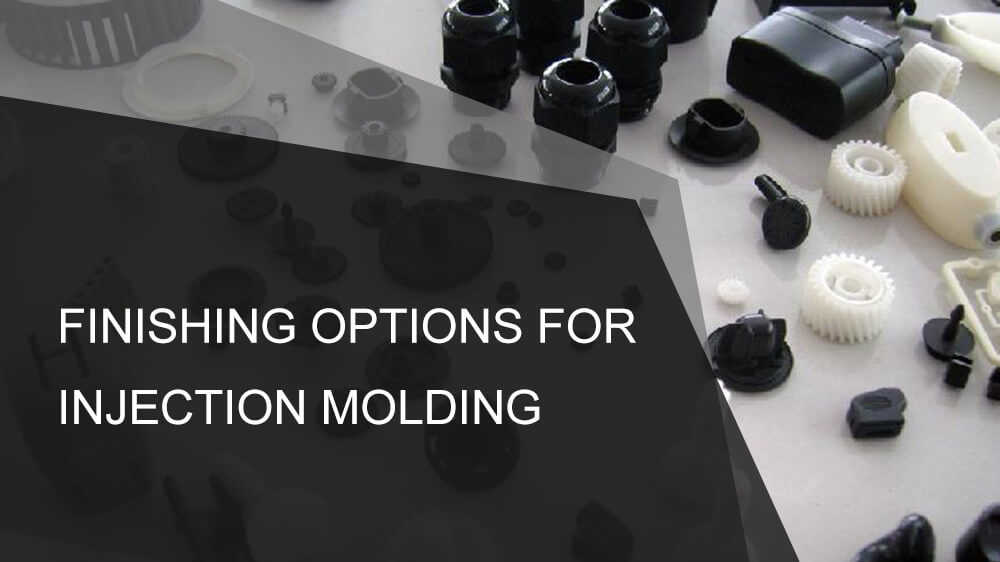
Finishing Options For Injection Molding
TOPS offers SPI injection molding finishes and Mold-Tech and VDI injection molding finish options for polished, matte, to textured molded parts.
Custom Injection Mold Finishes
Range of Society of Plastics Industry (SPI) finishes from Grade 3 diamond / high polish to 320 stone low polish. Finishes include: SPI A-1, SPI A-2, SPI A-3, SPI B-1, SPI B-2, SPI B-3, SPI C-1, SPI C-2, SPI C-3, SPI D-1, SPI D-2, and SPI D-3
VDI 3400 Surface Finish (commonly known as VDI surface finish) refers to the mold texture standard set by Verein Deutscher Ingenieure (VDI), the Society of German Engineers. This is mainly processed by EDM machining, producing fine to coarse matte finishes.
No secondary polishing or grinding. Part will show tooling marks.
Engrave part numbers, logos, and more onto your parts.
TOPS has the ability to assemble and label injection molded parts. Discuss your needs with your salesperson..
Get More Tips With Our Complete Design Guide
Send Your Inquiry Today
Injection Molding FAQs
Injection molding is employed in a vast array of sectors such as aerospace, medical devices, consumer products, energy, electronics, automotive, robotics, toys, among others.
Upon order receipt, a manufacturing engineer reviews the statement of work. They then generate an extensive Design for Manufacturability (DFM) report for client approval. With the go-ahead, tooling and mold production begin. We produce and dispatch T1 samples for your confirmation. Following your approval, we proceed to manufacture the remaining parts.
At TOPS, you own your injection mold tools. Once a production run is finished, we store the tools at our facility. Should you request it, we can ship the tools to your location, though you'll cover any shipping and packaging fees. If you have any concerns about tool compatibility with your equipment, our engineers are on hand to assist you.
Indeed, we can accommodate multiple colors within the same order! Please note that when opting for multiple colors in one order, a purge charge will be applied.
Why Use TOPS Injection Mold Services?

Endless Options
Choose from millions of possible combinations of materials, finishes, tolerances, markings, and certifications for your order.

Easy to Connect
Get started with our sales and let our experts take care of managing the project from locating the right manufacturing partner to delivery logistics.

Operation Fast
From the first quote to final delivery, we operate with speed and precision to ensure your ideas and projects reach the market swiftly and on schedule.