
The Ultimate Guide for CNC Precision Machining
Welcome to the world of CNC Precision Machining, where every micrometer counts and precision is not just a goal, but a necessity. Imagine a realm where metal and machine dance in a perfectly choreographed ballet, creating parts so precise they seem almost impossible. But how do we achieve such levels of accuracy, and what goes into the art and science of CNC machining? Whether you’re a seasoned pro or new to the field, this guide is your comprehensive companion, unlocking the secrets of precision machining.
Dive into the depths of CNC Precision Machining with us.
Stay tuned as we delve into these topics, equipping you with knowledge, insight, and the precision edge.
What is CNC Precision Machining?
So, you’ve heard about CNC Precision Machining, but what exactly is it? Let’s break it down.
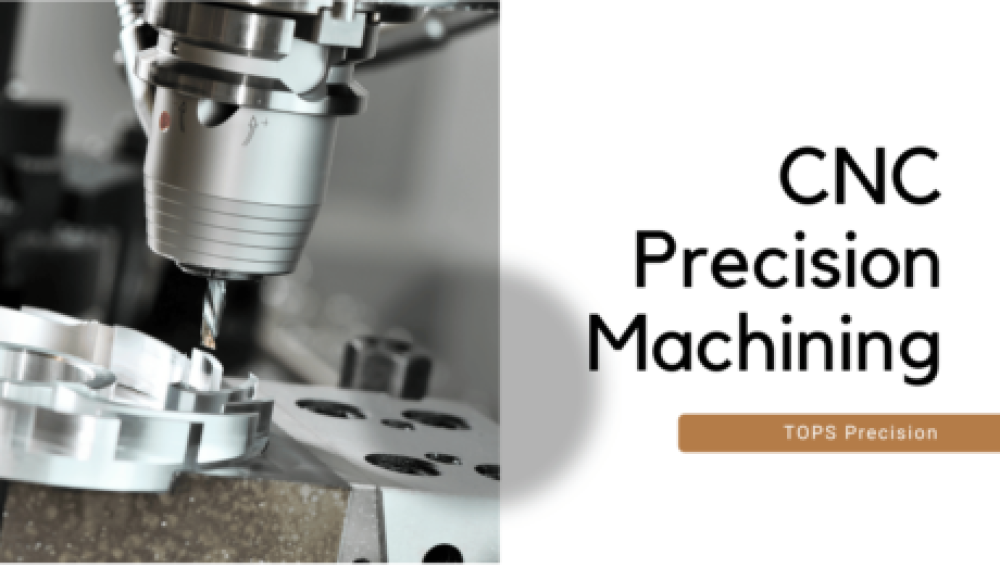
CNC Precision Machining: The Basics CNC stands for Computer Numerical Control. It’s a process where computers control machine tools. Think of it as the brain of the operation. Precision is key here. We’re talking about incredibly accurate movements, down to fractions of a millimeter.
Why It Matters
- Accuracy: Precision machining crafts parts with extreme accuracy.
- Complexity: It handles complex designs that other methods can’t.
- Efficiency: CNC machines work fast, saving time and money.
The Magic Behind the Machines It’s all about the code. Technicians input detailed instructions, and the machine follows them to the letter. This method translates complex designs into tangible parts with remarkable precision.
A Glimpse Into the Process
- Design: It starts with a detailed digital blueprint.
- Programming: Technicians program the CNC machine with precise instructions.
- Execution: The machine gets to work, cutting and shaping materials with unparalleled precision.
Precision CNC Machining is the intersection of technology, engineering, and artistry. It’s where raw materials meet cutting-edge technology to create something precise, efficient, and reliable.
A Brief History of Machining
Journey with us through the annals of machining history. It’s a tale of human ingenuity and technological evolution.
From Hand Tools to High-Tech
- Early Days: It all began with simple hand tools. Humans shaped materials for centuries using nothing but manual labor.
- Industrial Revolution: A pivotal era. The introduction of machines transformed how we manufacture, leading to more complex and precise tools.
- The Birth of CNC: Fast forward to the 1940s and 50s. The first numerical control machines emerged, a precursor to today’s CNC technology.
The CNC Revolution
- 1952: The game-changer.MIT develops the first CNC machine, revolutionizing the manufacturing world.
- Evolution: Over the decades, these machines have become more sophisticated, integrating computers for even greater precision and control.
Impact on Modern Manufacturing
- Precision: CNC machines can produce parts with tolerances measured in thousandths of an inch.
- Consistency: They replicate parts with exact precision, over and over again.
- Complexity: CNC technology makes it possible to create complex geometries that were previously impossible or extremely costly.
This brief history underscores a simple truth: machining has always been about pushing boundaries. From the simplest of tools to the complex CNC machines of today, the journey of machining mirrors our relentless pursuit of precision and efficiency.
Capabilities of Precision CNC Machining
Precision machining isn’t just about making parts; it’s about pushing the limits of what’s possible. Let’s dive into the capabilities that set CNC precision machining apart.
The Power of Precision
- Ultra-Fine Tolerances: We’re talking about tolerances as tight as 0.0001 inches. This level of precision is crucial in industries like aerospace and medical devices.
- Complex Geometries: CNC machines handle intricate designs that defy traditional methods. Think of components with complex curves and angles.
Materials Mastery
- Versatility: From metals like aluminum and titanium to plastics and composites, CNC machines can work with a wide range of materials.
- Strength and Durability: Precision machining doesn’t just shape materials; it ensures they maintain strength and durability, even in demanding environments.
Speed and Scalability
- Efficiency: Time is money, and CNC machines save plenty of it. They operate faster than traditional methods, cutting down production time.
- Scalability: Whether you need one prototype or thousands of parts, CNC machining scales to meet demand without sacrificing quality.
Customization and Innovation
- Tailored Solutions: Every project is unique. CNC precision machining offers customized solutions to meet specific needs.
- Continuous Improvement: The field is always evolving, with new technologies and techniques emerging to enhance precision and efficiency.
The capabilities of CNC precision machining are a blend of art and science, pushing the boundaries of manufacturing to new heights. Whether it’s creating a one-of-a-kind part or mass-producing components with exacting standards, CNC machining is the go-to solution.
Tolerance of CNC Precision Machining
Precision is not just a word in the CNC world; it’s the benchmark. Tolerance in CNC machining is a testament to this precision. Let’s demystify it.
Defining Tolerance
- What is Tolerance?: It’s the degree to which a machine part can vary from its intended dimensions. Think of it as the margin of error, but in the world of CNC, this margin is minuscule.
- The Importance of Tolerance: High tolerance levels are crucial in fields where even a micron’s deviation can lead to failure, like aerospace or medical devices.
Achieving the Unthinkable
- High Precision Tools: CNC machines are equipped with advanced tools that maintain incredibly tight tolerances.
- Expert Programming: Skilled programmers ensure that machines adhere to these strict standards.
Measuring Tolerance
- Microns Matter: CNC machines can achieve tolerances measured in microns. That’s 0.001 millimeters!
- Consistency: Not only do these machines achieve high precision, but they also maintain it consistently across multiple parts.
Tolerance in Action
- Real-World Impact: From the engine parts in your car to the screws in your smartphone, CNC tolerance plays a vital role.
Types of Precision CNC Machining Equipment
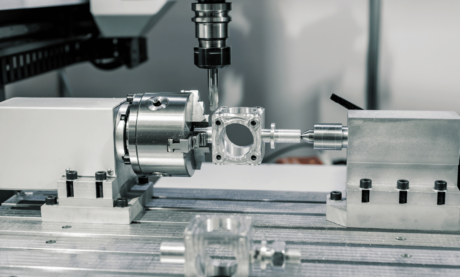
Dive into the heart of Precision CNC Machining: the equipment. Each type of machine has its own superpower.
CNC Milling Equipment
- Versatility: Ideal for a range of materials and complex shapes.
- Capabilities: Milling machines can perform cutting, drilling, and shaping operations.
CNC Turning Equipment
- Rotation at Its Finest: Perfect for parts that need to be symmetrical along an axis.
- Speed: Turning equipment is known for its quick production of cylindrical parts.
CNC Drilling Equipment
- Precision Holes: Whether it’s tiny holes or deep drills, CNC drilling equipment does it with precision.
- Complex Patterns: Capable of creating intricate hole patterns that manual drilling can’t match.
CNC Electric Discharge Machining (EDM) Equipment
- Electrical Magic: Uses electrical sparks to mold materials into desired shapes.
- Ideal for Hard Materials: Perfect for materials that are tough to cut with traditional methods.
Swiss Machining
- Intricacy: Swiss machines specialize in tiny, complex parts.
- Efficiency: Combines multiple operations in one, reducing production time.
CNC Laser Machines
- Cutting-Edge Precision: Ideal for cutting and engraving with extreme accuracy.
- Material Flexibility: Works on metal, plastic, and more.
Multi-axis CNC Machining
- 3D Complexities: Can maneuver around three or more axes, creating intricate 3D shapes.
- Versatile Applications: Used in aerospace, automotive, and other high-tech industries.
Precision Grinders
- Surface Perfection: Achieves smooth finishes and exact dimensions.
- Fine Tuning: Essential for the final touches on precision parts.
This arsenal of equipment is what makes CNC Precision Machining a powerhouse in the manufacturing world. Each machine plays a crucial role in turning raw materials into precisely engineered parts.
Quality Control and Inspection in CNC Machining
Quality control in CNC machining isn’t just a step; it’s an integral part of the entire process. It’s about ensuring that each piece meets the highest standards.
Ensuring Excellence
- Rigorous Inspection: Every part undergoes thorough inspection to ensure it meets the precise specifications.
- State-of-the-Art Equipment: Utilizing advanced measuring tools and equipment, accuracy is verified down to the smallest detail.
Continuous Monitoring
- Real-Time Inspection: Modern CNC machines often include real-time monitoring systems, ensuring quality at every stage of production.
- Feedback Loops: Data collected during the inspection process is fed back into the system, continuously improving accuracy and efficiency.
Quality Control Processes
- Standardization: Adhering to industry standards like ISO ensures consistency and reliability.
- Documentation: Keeping detailed records of each production run aids in maintaining high standards and tracing any issues.
Measuring Tools and Equipment in CNC Precision Machining
Precision is not left to chance in CNC machining. It’s measured and assured. The tools and equipment used for measurement are as important as the machining tools themselves.
Advanced Measuring Instruments
- Calipers and Micrometers: For precise measurement of dimensions.
- Coordinate Measuring Machines (CMMs): These sophisticated devices can measure complex geometries with extreme accuracy.
- Laser Scanners: For rapid, non-contact measurement of parts.
Ensuring Precision and Accuracy
- Regular Calibration: Measuring tools are regularly calibrated to ensure they remain accurate.
- Environmental Control: Precision measurements are often conducted in controlled environments to prevent inaccuracies caused by temperature and humidity fluctuations.
Application in Quality Control
- Pre-Production Checks: Before mass production begins, prototypes are measured to ensure they meet design specifications.
- Post-Production Inspection: Final products are inspected to guarantee they match the required dimensions and tolerances.
In CNC precision machining, measurement is the guardian of quality. It’s the fine line that ensures every part produced not only looks right but fits perfectly in its intended role.
CNC Precision Machining Applications
- In the Medical Industry: CNC machining plays a vital role. The precision it offers is crucial for creating intricate medical devices and implants. Every component needs to be accurate to ensure patient safety and device efficacy.
- Within the Automation Industry:Here, CNC machining shines in creating parts that boost efficiency and reliability. Automated systems rely on precision-made gears and components to function seamlessly.
- In Aerospace:The demands are sky-high. Aircraft and spacecraft components require absolute precision. The slightest deviation could have significant consequences, making CNC machining indispensable.
- For Military and Defense: Durability and precision are key. CNC machining produces high-quality, robust components essential for the safety and effectiveness of military equipment.
These examples highlight CNC Precision Machining’s critical role across various industries, underscoring its versatility and importance.
Advantages of High Precision CNC Machining
- Tight Tolerances and High Accuracy:The cornerstone of CNC machining. These aspects ensure every part is exactly as it needs to be, crucial in high-stakes applications.
- High Repeatability: CNC machines produce consistent, high-quality parts, essential for large-scale production and maintaining standards.
- Low Production Costs in the Long Run:While the initial setup might be costly, CNC machining reduces costs over time due to its efficiency and precision.
- Speed and Efficiency: CNC machines work fast, significantly reducing production time compared to traditional methods.
- Enhanced Safety:Automated processes minimize the risk of human error and improve safety in the production environment.
These advantages make CNC Precision Machining a preferred choice in various sectors, providing reliability, efficiency, and precision.
How to Carry Out Precision Machining
Carrying out precision machining is a meticulous process that combines skill, technology, and attention to detail. It starts with selecting the right materials. Metals like aluminum, steel, and titanium are common choices, along with plastics that can withstand machining processes. The key is to choose a material that suits the end use of the part.
Programming plays a pivotal role. Skilled technicians input detailed instructions into the CNC machines. This code is what guides the machines to execute precise cuts and shapes. The actual machining process involves various operations like cutting, drilling, and milling, each tailored to the part’s specifications.
Surface finishing is the final touch. It’s not just about aesthetics; finishing processes like sandblasting or anodizing can enhance the durability and functionality of the part. This holistic approach ensures that every aspect of precision machining contributes to creating a part that meets the highest standards of quality and precision.
Typical Costs for Precision CNC Machining
Discussing the costs of precision machining is complex, as they can vary widely based on several factors. Material choice is a major cost driver. High-quality metals and specialized plastics often come with a higher price tag. The complexity of the design also impacts cost. More intricate parts with tighter tolerances require more time and skill to produce, thereby increasing the cost.
The volume of production plays a role too. While CNC machining is highly efficient, setting up for a production run can be costly. However, once set up, the cost per unit often decreases with larger production runs.
Another factor is the type of CNC equipment used. Advanced machines with higher capabilities can drive up costs, but they also offer superior precision and efficiency. It’s a balance between upfront costs and the long-term value of high-quality, precisely machined parts.
In essence, while the initial investment in CNC precision machining might seem substantial, the long-term benefits of durability, precision, and efficiency often justify the cost.
Why Choose TOPS Precision CNC Precision Machining Services
Choosing TOPS Precision for your CNC machining needs means opting for a leader in the industry. What sets us apart is our commitment to precision and quality. We utilize state-of-the-art CNC machinery, capable of handling complex designs with ultra-fine tolerances. Our team of skilled technicians and engineers are not just operators; they’re craftsmen who understand the nuances of precision machining.
At TOPS Precision, we prioritize customer satisfaction. We work closely with clients to understand their specific needs and tailor our services accordingly. Our process includes comprehensive quality control measures, ensuring that each part we produce meets the highest standards. Our ability to handle a wide range of materials and our expertise in various machining techniques make us a versatile and reliable partner in precision machining.
Challenges and Solutions in CNC Machining
Like any advanced manufacturing process, CNC precision machining faces its set of challenges. One major challenge is maintaining precision over large production runs. Consistency is key, and even the slightest deviation can lead to rejected parts. Our solution is continuous monitoring and real-time adjustments, ensuring consistent quality throughout the production process.
Material limitations can also pose a challenge. Some materials are difficult to machine, requiring specialized tools and techniques. Our approach is to stay ahead of the curve, constantly updating our equipment and training our staff to work with a broad range of materials.
Another challenge is the fast-paced evolution of technology in the CNC machining world. Keeping up with the latest advancements is crucial for maintaining a competitive edge. We invest in ongoing training and technology upgrades, ensuring that our services remain top-notch.
In summary, TOPS Precision faces the challenges of CNC machining head-on, offering innovative solutions to maintain our status as a leader in the industry.
Frequently Asked Questions in CNC Machining
Why is precision machining important?
Precision machining is crucial for producing parts that meet strict specifications, especially in industries where accuracy is non-negotiable, like aerospace or medical devices.
What is the tolerance TOPS Precision can reach?
We pride ourselves on achieving ultra-fine tolerances, often as tight as 0.002mm, depending on the material and part design.
What does TOPS Precision need for a quotation?
To provide an accurate quote, we typically require detailed design files, material specifications, and information on the required quantity and tolerance levels.
What type of design files does TOPS Precision accept for quotations?
We accept a variety of design file formats, including CAD files, which are essential for precise programming and machining.
Wrapping Up: The Ultimate Guide to CNC Precision Machining
As we conclude our journey through the intricate world of CNC Precision Machining, let’s revisit the key takeaways:
- Precision is Paramount: From medical devices to aerospace components, the unmatched precision of CNC machining plays a critical role in various industries.
- Technological Mastery: The evolution of CNC equipment, from mills to multi-axis machines, showcases the advancements and capabilities in precision manufacturing.
- Quality and Consistency: With rigorous quality control measures and advanced measuring tools, CNC machining ensures consistent, high-quality output.
- Challenges Met with Solutions: Facing and overcoming challenges like material limitations and technological advancements, TOPS Precision remains at the forefront of the industry.
- Tailored to Your Needs: TOPS Precision’s commitment to understanding and meeting customer requirements sets it apart, offering customized solutions with precision and care.
Remember, in the world of CNC Precision Machining, we’re not just making parts; we’re crafting the components that drive innovation and precision in today’s technologically advanced landscape.