
Introduction
Precision is important in the fields of engineering and design. Little elements can significantly affect a product’s usability and appearance. The usage of fillets and chamfers, two widely utilized design elements, is essential to attaining this accuracy. This article will discuss the distinctions between a fillet and chamfer, their uses, and the things to take into account while making your decision.
What is A Fillet?

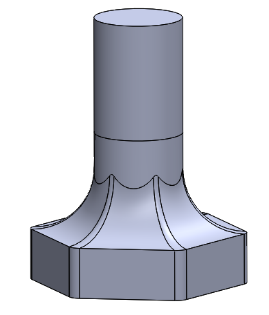
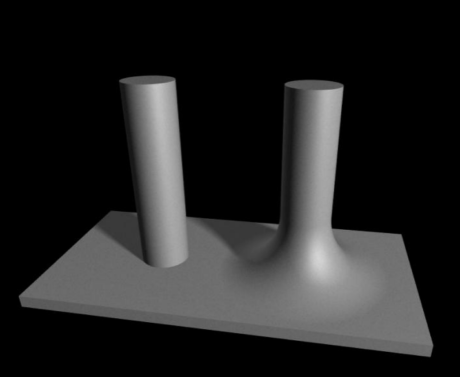
A fillet, pronounced as “fill-it,” a fillet is a design element in which an object’s rough corners or edges are rounded or smoothed. Sharp angles are removed as a result of the curved or rounded profile it produces.
The two main uses of filters are as follows:
1. Stress Reduction
Fillets more equally distribute stress, which lowers the possibility of fractures or cracks in a material. In applications where structural integrity is critical, this is vital.
2. Aesthetics
By softening an object’s edges, filters can enhance its appearance and give it a more aesthetically attractive and sophisticated look.
What is A Chamfer?
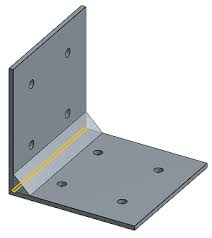
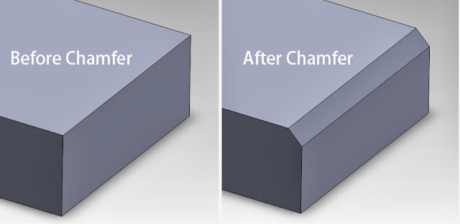
Another design element that eliminates harsh angles or edges is a chamfer. But chamfers don’t produce a rounded profile like fillets do. Instead, they remove a part of the material at a specific angle, typically 45 degrees, to produce a beveled edge.
Chamfers are used for various reasons:
1. Ease of Assembly
Chamfers make it easier to fit components together during assembly, as they provide a lead-in for mating parts.
2. Aesthetics
Chamfers can be used to add a visually appealing detail to a product. They give an object a more polished appearance without the curves associated with fillets.
Factors to Consider When Choosing Between A Fillet and Chamfer
When deciding between a fillet and a chamfer, several factors should be considered:
1. Functionality
Take into account the feature’s main objective. A fillet is frequently a better option if you need to distribute stress or avoid sharp edges. A chamfer is the best option if you want a sharply edged design or simplicity of installation.
2. Material
Fillets and chamfers may cause different reactions in different materials. While chamfers make it easier to mill or assemble some materials, they may be more prone to breaking and hence benefit from fillets.
3. Aesthetics
The visual appearance of the product is important. If you want a sleek and angular look, chamfers are your choice. For a softer and more rounded appearance, fillets are ideal.
When We Need A Fillet Or Chamfer?
Now, let’s discuss when it’s appropriate to use fillets and chamfers:
1. Fillets
Fillets are commonly used in applications where structural integrity is critical, such as aerospace, automotive, and machinery components. They are also preferred when a smooth, organic shape is desired.
2. Chamfers
Chamfers find use in situations where parts need to fit together precisely, like in woodworking, metalworking, or in situations where a clean, angular design is preferred.
Purpose of Fillet and Chamfer
In summary, the primary purposes of fillets and chamfers are:
· Fillet
Stress distribution and aesthetics, providing a rounded profile.
· Chamfer
Ease of assembly and aesthetics, creating beveled edges.
Comparison Table of Differences
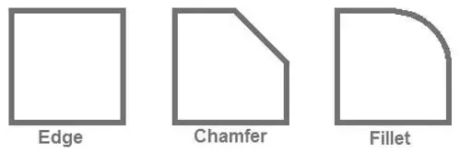
To make it even clearer, here’s a comparison table:
| Aspect | Fillet | Chamfer |
| Purpose | Stress reduction and aesthetics | Ease of assembly and aesthetics |
| Profile | Rounded | Beveled |
| Material Considerations | Reduces stress in materials | Provides easy mating of components |
| Aesthetics | Softens edges, gives a refined look | Adds a polished, angular appearance |
| Common Applications | Aerospace, automotive, machinery | Woodworking, metalworking, assembly |
Conclusion
In conclusion, the choice between a fillet and a chamfer depends on the specific requirements of your project. Whether you prioritize structural integrity, ease of assembly, or aesthetic appeal, understanding the differences and applications of these two design features will help you make an informed decision. Both fillets and chamfers have their unique roles in the world of design and engineering, and selecting the right one can significantly impact the quality and functionality of your product.