

Introduction:
For decades, metals have been essential to the development of mankind. These materials are valuable for a variety of applications because of their unique characteristics, durability, and versatility. Three common metals brass, bronze, and copper have qualities in common as well as distinctive qualities that make them stand out. We’ll examine the variations and parallels among brass, bronze, and copper in this thorough comparison to assist you in selecting the best material.
Brass, Bronze and Copper Alloys
Before we dive into the comparison, it is essential to understand that brass, bronze and copper are not pure metals but alloys combinations of different metals. These alloys are created to enhance specific properties and meet the requirements of diverse applications. Some common alloys include:
Brass Alloys
The two main components of brass are zinc and copper. Brass alloys vary in color, strength, and resistance to corrosion depending on the ratio of these two metals and possible additions of other elements.
Bronze Alloys
Bronze is composed particularly of copper however is alloyed with factors which includes tin, aluminum, silicon, or phosphorus. These additions regulate the bronze’s characteristics, inclusive of its strength, put on resistance and color.
Copper Alloys
A kind of metals, together with nickel, chromium, and beryllium, may be located in copper alloys. These alloys are made to beautify the traits of copper, making it higher appropriate for specific uses.
Material Properties Differences Between Brass, Bronze and Copper
| PROPERTY | BRASS | BRONZE | COPPER |
| Composition | Copper and zinc (with other elements) | Copper and tin (with other elements) | Pure copper |
| Strength | Varies, generally stronger than copper | Varies, often stronger than brass | Relatively low, less strong than alloys |
| Color | Yellow to reddish-brown | Reddish-brown to dark brown | Reddish-orange |
| Corrosion Resistance | Excellent | Good to excellent | Excellent |
| Conductivity (Electrical) | Good to excellent | Good to excellent | Excellent |
| Conductivity (Thermal) | Moderate to good | Moderate to good | Excellent |
| Hardness (Brinell) | Varies | Varies | 35 (pure copper) |
Conductivity Differences Between Brass, Bronze and Copper
Electricity Conductivity
Copper is renowned for its splendid electric conductivity. While each brass and bronze behavior strength well, copper stays the advanced preference for electric applications.
Thermal Conductivity
Due to its superior thermal conductivity, copper is a material of choice for cooling systems and heat exchangers. Although bronze and brass have moderate to good thermal conductivity, they might not be as effective as copper in this area.
Strength Differences Between Brass, Bronze and Copper
Strength is another essential consideration when selecting a metal:
Brass
Brass is generally stronger than copper, making it suitable for applications that require some degree of durability.
Bronze
Bronze often possess greater strength than brass, and they are valued for their wear resistance and load-bearing capabilities.
Copper
Despite being the weakest of the three, pure copper is still utilized in situations when strength is not the main consideration.
Touch and Appearance
Brass
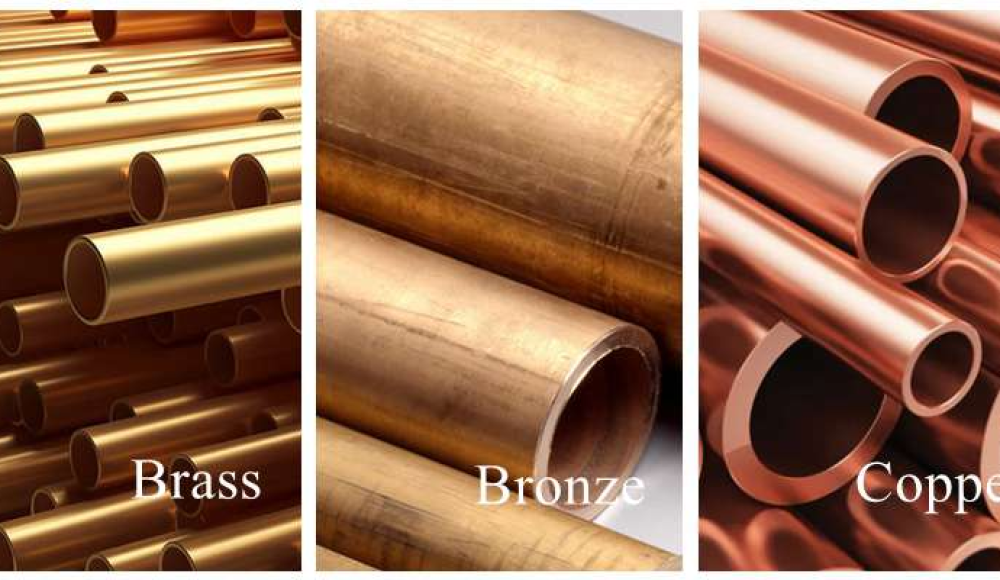
Brass has a distinctive yellow to reddish-brown color. It often offers a pleasing visual appeal, making it a popular choice for decorative items.
Bronze
Bronze comes in shades of reddish-brown to dark brown. Its rich color and attractive patina have made it a favorite for sculptures, bells, and architectural elements.
Copper
Pure copper is reddish orange in color and gets its green patina from exposure to the environment. Green patina is one of the most popular architectural patinas.
Pricing & Options
Brass, bronze and copper prices can vary significantly depending on the alloy, the quantity needed, and the market conditions. Copper prices tend to be higher than brass and bronze prices. However, the prices of these metals can change frequently, so it is important to have current pricing information to make informed decisions.
Applications Of Brass, Bronze and Copper
Brass
Brass is commonly used in a variety of applications where a strong, corrosion-resistant, and aesthetically pleasing finish is desired. Examples include musical instruments and plumbing fixtures, as well as decorative hardware.
Bronze
Bronze’s excellent wear resistance makes it ideal for applications like bushings, bearings, sculpture casting, and marine components.
Copper
Copper’s exceptional electrical and thermal conductivity makes it indispensable for electrical wiring, plumbing, and heat exchangers.
Benefits of Brass, Bronze and Copper
Brass
Brass offers a balance of strength, corrosion resistance, and aesthetics. It is versatile and can be used in a wide range of applications.
Bronze
Bronze provides exceptional wear resistance, making it ideal for applications subjected to friction and stress. It also offers an attractive patina.
Copper
Copper’s unmatched electrical and thermal conductivity are its primary strengths. It’s also known for its corrosion resistance and durability.
Which One Should You Choose?
The desire among brass, bronze, and copper relies upon at the unique necessities of your project. Consider the subsequent factors:
- Strength Requirements
If strength is a primary concern, bronze may be the best choice. For a balance of strength and aesthetics, brass is a solid option.
- Electrical or Thermal Conductivity
For applications involving electrical or thermal conductivity, copper is the clear winner.
- Corrosion Resistance
Brass and bronze are both corrosion-resistant, but the specific alloy may affect their performance. Copper is also highly corrosion-resistant.
- Color and Appearance
The desired color and visual appeal of the material may influence your choice.
- Cost
Your budget and the current market prices for these metals will play a role in your decision.
Which is Cheaper Between Brass and Bronze?
The cost-effectiveness of brass and bronze depends on factors such as the specific alloy, market conditions, and required quantities. In general, brass tends to be more affordable than bronze. However, it’s essential to obtain quotes and consider your project’s needs when evaluating the cost.
Conclusion
Brass, bronze, and copper are flexible and treasured substances with specific homes and applications. Understanding the variations in cloth homes, power, appearance, and different elements will assist you’re making a knowledgeable selection whilst choosing the proper steel in your project. Whether it is the electric conductivity of copper, the power of bronze, or the stability of traits presented via way of means of brass, those metals have an area in diverse industries and applications, contributing to the innovation and development of various fields.