
CNC machining has revolutionized the manufacturing industry with its precision and efficiency. The correct equipment and tools must be mastered and utilized in order to fully utilize CNC machines. The CNC fixture is an essential part of CNC machining because it holds the work in place and ensures repeatable and precise machining operations. We will dive into the realm of CNC fixtures in this article, looking at their uses, varieties, and important design factors.
What is A CNC Fixture?
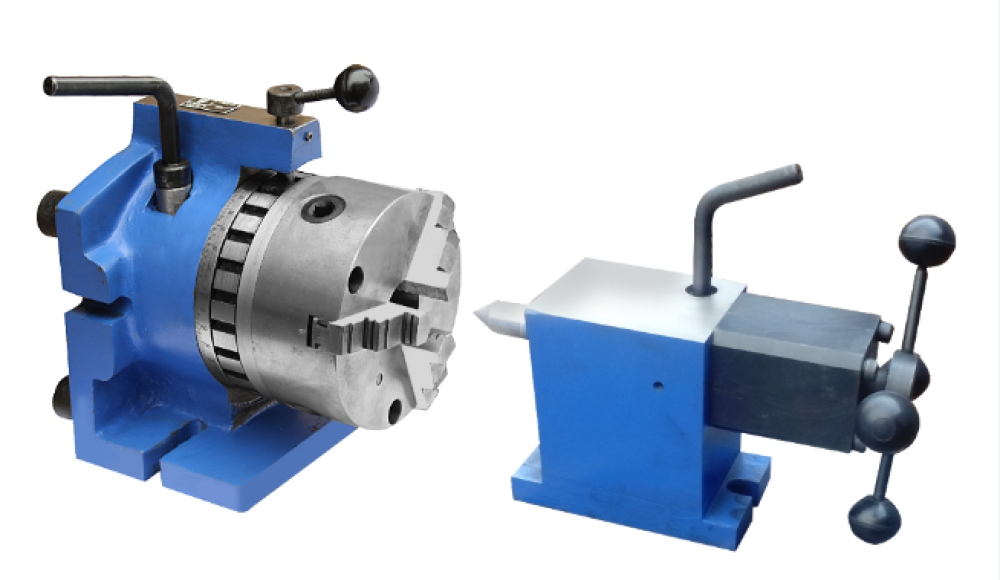
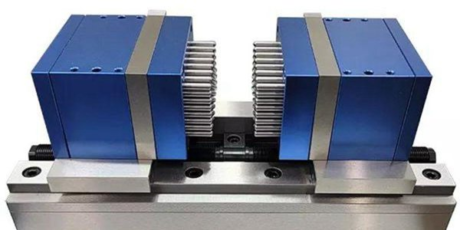
A CNC fixture is a specific type of work holding apparatus used in manufacturing and CNC (Computer Numerical Control) operations. Its main purpose is to hold and place a workpiece securely while doing different machining processes, such drilling, turning, milling, grinding, or any other type of precision machining. A crucial component of a CNC machining system, fixtures guarantee that workpieces are held steadily and consistently, enabling precise and repeatable cutting.
Depending on the unique requirements of the machining operation and the kind of workpiece being processed, CNC fixtures are available in a variety of shapes and styles. They are essential in lowering errors, increasing productivity, and guaranteeing that the machined parts adhere to the required tolerances and requirements.
A CNC fixture essentially serves as a vital bridge between the workpiece and the CNC machine tool, providing a reliable and safe way to hold the workpiece in place. Acquiring accurate and superior machining results is essential in today’s industrial processes.
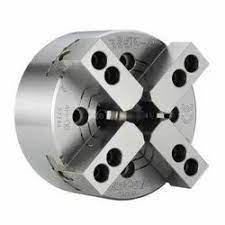
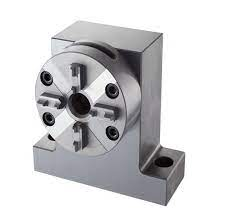
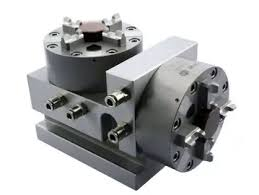
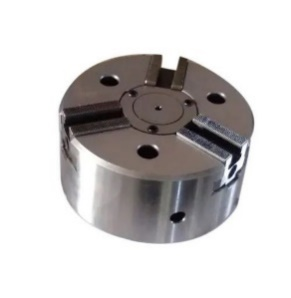
Applications of CNC Fixtures
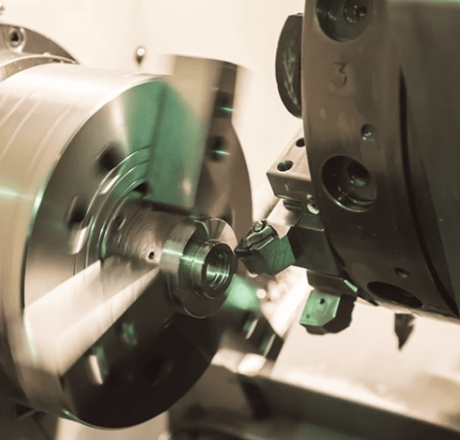
1. Turning Fixtures
These fixtures secure workpieces for operations like turning, facing, and threading on a lathe or turning center.
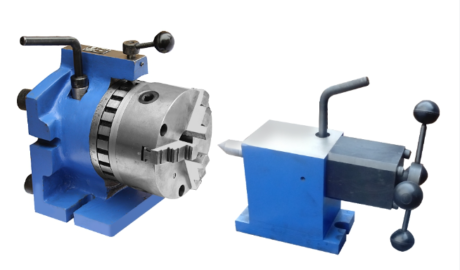
2. Milling Fixtures
Milling fixtures hold workpieces in place during milling processes, such as contouring, slotting, and pocketing.
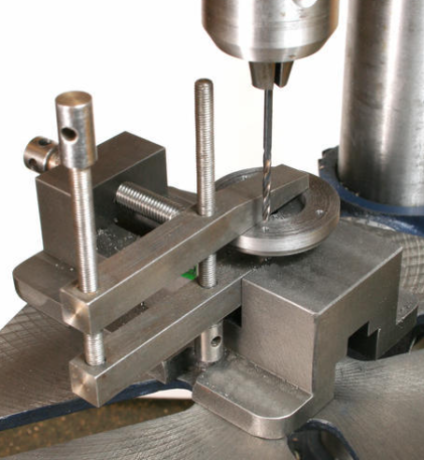
3. Drilling Fixtures
Drilling fixtures are designed for precise drilling, reaming, and tapping operations.
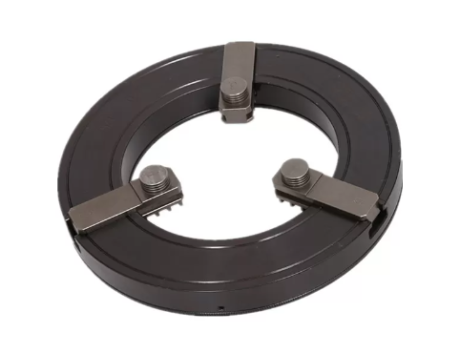
4. Boring Fixtures
Boring fixtures are designed to hold, support, and align a workpiece for the boring operation, ensuring precision and efficiency
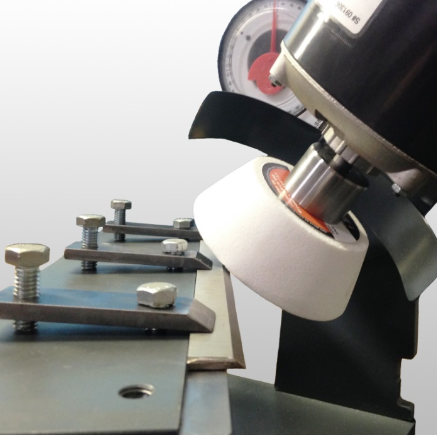
5. Grinding Fixtures
Grinding fixtures are essential for grinding processes, maintaining tight tolerances on surfaces.
Types of CNC Fixtures
CNC fixtures are categorized based on their mechanisms and operation. The most common types include:
1. Manuel Fixtures
These fixtures are operated by hand and are suitable for low-volume production runs or prototyping.
2. Pneumatic Fixtures
Pneumatic fixtures use air pressure to clamp and release workpieces, providing quick and efficient work holding.
3. Hydraulic Fixtures
Hydraulic fixtures use fluid pressure for workpiece clamping, offering high clamping force and stability.
4. Electric Fixtures
Electric fixtures utilize electrical power for workpiece clamping, allowing for precise control and automation.
5. Magnetic Fixtures
Magnetic fixtures use strong magnets to securely hold ferrous workpieces, facilitating fast setup and changeovers.
6. Vacuum Fixtures
Vacuum fixtures employ suction to hold non-magnetic or delicate workpieces, minimizing part distortion.
When You Want to Design or Use CNC Fixtures?
Designing and using CNC fixtures require careful consideration of several factors:
1. Workpiece Material
The type of material being machined affects the choice of fixture, as different materials have varying properties.
2. Workpiece Geometry
The shape and size of the workpiece influence fixture design, including the number and placement of clamping points.
3. Accuracy Requirements
Understanding the required tolerances is critical to selecting the appropriate fixture for the job.
4. Productions Volume
High-volume production may benefit from automated fixtures, while low-volume runs may use manual fixtures.
5. Machine Compatibility
Ensure the fixture is compatible with the CNC machine’s specifications and tooling.
6. Cost Considerations
Consider the fixture’s initial cost in relation to the long-term benefits it can provide by improving accuracy and efficiency.
Difference Between A Jig and A Fixture
Although “jig” and “fixture” are frequently used as one word, they have distinct meanings:
- A jig guides the cutting tool to create specific shapes or holes. It provides precision and repeatability in positioning the tool.
- A fixture holds and secures the workpiece during machining operations. It ensures the workpiece remains stable and in the correct position for accurate machining.
In summary, while jigs guide tools, fixtures hold workpieces. Together, they contribute to efficient and accurate CNC machining.
CONCLUSION:
CNC fixtures are indispensable tools in modern manufacturing, offering precise workpiece positioning and enhancing production efficiency. By understanding the different types, applications and design considerations, you can optimize your CNC machining processes and achieve outstanding results. Whether you are a seasoned CNC professional or just getting started, mastering the art of CNC fixtures will undoubtedly benefit your machining endeavors.