
Introduction
Bead blasting, a surface preparation technique, is widely used in various industries to clean, texture, or finish surfaces. This article delves into the intricacies of bead blasting, exploring how it works, its advantages and disadvantages, the essential tools involved, and valuable tips to achieve the best bead blast finish.
What is Bead Blasting?
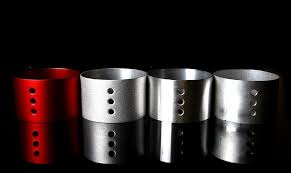
Bead blasting is a surface preparation technique that employs fine abrasive media, typically glass beads, to clean, texture, or finish a surface. It is commonly used in various industries to remove contaminants, rust, paint, and scale from materials like metals, plastics, and composites. Bead blasting operates on the principle of kinetic energy, where high-velocity impact of the glass beads dislodges unwanted substances and creates a desired texture or finish on the surface. Unlike more aggressive blasting methods, bead blasting is non-destructive, preserving the integrity of the base material. This makes it a popular choice for tasks that require careful surface restoration and precise texture control.
How Does Bead Blasting Work?
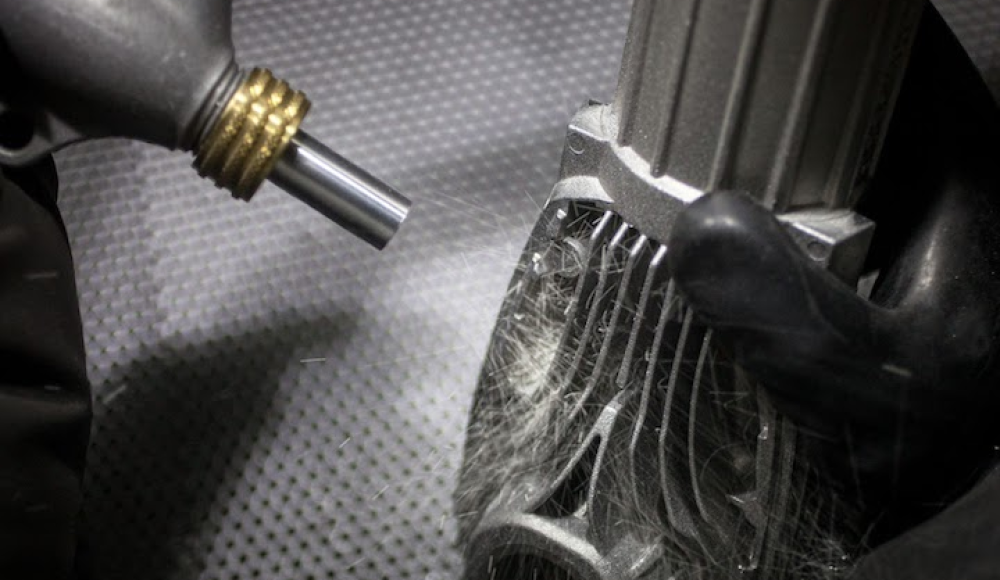
Bead blasting operates on the principle of kinetic energy. Fine glass beads are propelled onto the surface at high velocity, dislodging contaminants and creating a textured finish. The abrasive beads impact the surface without causing damage, making it suitable for delicate parts and intricate designs.
Pros and Cons of Bead Blast Finish
Pros:
1. Surface Restoration
Bead blasting effectively removes rust, paint, and other contaminants, restoring the surface to its original state.
2. Texture and Finish Control
The process allows for precise control over the texture and finish of the surface, making it ideal for decorative and functional applications.
3. Non-Destructive:
Bead blasting doesn’t harm the base material, ensuring its integrity and prolonging its lifespan.
Cons:
1. Dust and Contaminant Management
Bead blasting can generate a significant amount of dust and debris, requiring proper ventilation and containment measures.
2. Not Suitable for All Materials
While glass beads are gentle, they may not be suitable for very soft or brittle materials.
Tools Used for A Bead Blast Finish
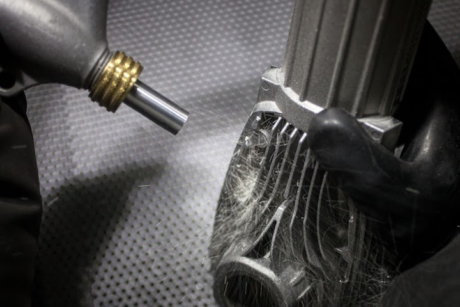
For successful bead blasting, you need the right tools and equipment. Here are the essentials:
1. Bead Blaster Cabinets
These specialized cabinets provide a controlled environment for bead blasting, allowing you to manage dust and abrasive media effectively.
2. Seamless Cabinet Sealing
Ensuring a tight seal on your cabinet prevents leaks and maintains an efficient blasting environment.
3. View Window Protection
A sturdy, transparent window on the cabinet allows operators to monitor the process while protecting them from abrasive rebound.
4. Bead Blaster Gloves
Heavy-duty gloves protect operators’ hands from the abrasive media and ensure safe handling.
5. Bead Blaster Gun
The gun propels the abrasive media onto the surface. It should be easy to control for precise results.
6. Glass Beads
Glass beads are the most commonly used abrasive media in bead blasting due to their gentleness and recyclability.
Applications of Bead Blast Finish
Bead blasting is a versatile technique with applications across various industries:
1. Automotive
Bead blasting is used to remove rust and paint from car parts and to create textured surfaces on rims and exhausts.
2. Aerospace
It is employed to clean and prepare aircraft components, ensuring safety and reliability.
3. Marine
Bead blasting removes rust and marine growth from boat surfaces, extending their lifespan.
4. Industrial
The technique is used for cleaning and finishing industrial equipment, such as turbines and pumps.
Best Bead Blasting Tips to Have The Best Bead Blast Finish
To achieve a flawless bead blast finish, consider the following tips:
1. Use Low Pressure
Lower pressure settings prevent damage to the material and offer better control over the blasting process.
2. Strip Off Rust and Oxides
Removing rust and oxides before bead blasting ensures a smoother, more consistent finish.
3. Dust Control
Invest in effective dust collection and ventilation systems to maintain a clean and safe workspace.
Difference Between Bead Blasting and Sandblasting
While both bead blasting and sandblasting are abrasive blasting techniques, they differ in their abrasive media. Bead blasting uses glass beads, which are gentler, while sandblasting uses sand, which is more abrasive and can cause greater damage to the surface.
Purpose Of Bead Blasting
The primary purpose of bead blasting is to clean, texture, or finish a surface. It is employed to remove contaminants, rust, and paint, while also providing control over the final texture and appearance. This technique ensures the longevity and aesthetics of various materials.
Conclusion
Bead blasting is a versatile and effective surface preparation technique, widely used in various industries. Understanding how it works, its advantages and disadvantages, the necessary tools, and best practices is essential to achieving the best bead blast finish. Whether you’re restoring a classic car, preparing aerospace components, or enhancing industrial equipment, bead blasting can be a valuable tool in your arsenal.