
Introduction
Deburring, an indispensable process in the realm of metalworking, often operates discreetly, yet it holds a pivotal role in the creation of high-quality, precision-engineered components.
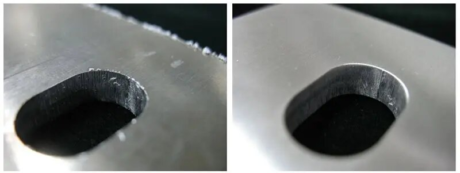
Before After
Within the intricate world of metalworking and manufacturing, the transformation of raw metal into a precision-engineered component entails a series of complex stages. Deburring represents the amalgamation of art and science, focused on refining metal surfaces, eliminating minuscule imperfections and eradicating unwanted edges to produce impeccable, high-quality products.
At its core, deburring is an embodiment of perfection and precision, ensuring that every manufactured item, whether it’s a commonplace domestic appliance or a sophisticated aerospace engine, adheres to the highest standards of functionality, safety and design aesthetics. This silent yet pivotal process serves to guarantee that the final product not only boasts structural integrity but also embodies a masterpiece in its craftsmanship.
This article delves deeper into the intricate domain of deburring, providing an insightful exploration of what deburring entails, the underlying causes of burr formation, strategies for their prevention and an array of methods deployed to achieve a flawless finish, entirely free from burrs. Profoundly comprehending the fundamentals of deburring is not merely a hallmark of expertise but a fundamental requirement for all individuals in the metalworking industry, whether they are seasoned professionals or newcomers embarking on their journey in this field.
What is A Burr Or Machining Burr?
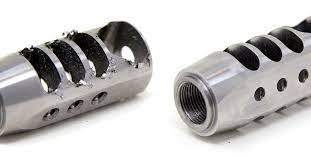
Burr
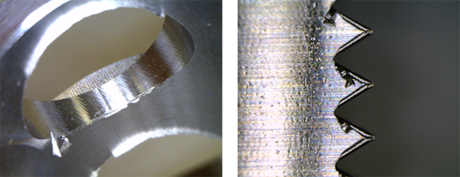
Burr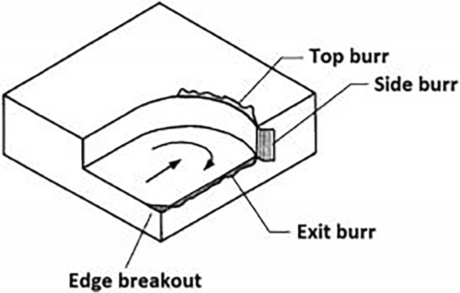
Types of Burrs
A burr is an unwanted, raised edge or small pieces of metal that remain attached to a workpiece after machining processes such as cutting, drilling, milling, or grinding. These burrs can range from tiny, barely visible imperfections to more substantial, clearly defined edges.
Reasons for Producing Burrs
The production of burrs is an inherent outcome of metalworking processes. Several factors contribute to burr formation, including
- Tool wear
- Workpiece material properties
- Machining parameters
Understanding these root causes is essential to address and eliminate burrs effectively.
Factors Contributing to Burr Formation Overcoming Them
Burr formation in metalworking is a complex phenomenon influenced by various factors. Understanding these factors is crucial for manufacturers and engineers seeking to minimize or eliminate burrs in their machining processes.
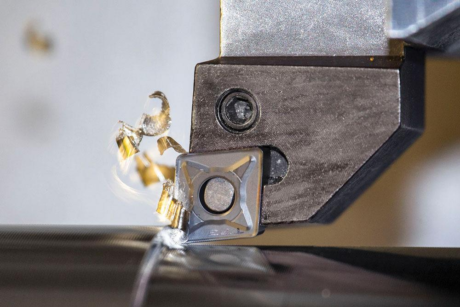
Tool Wear/Tool Life
Here are some of the key contributors to burr formation:
1. Tool Geometry
The design and condition of cutting tools play a significant role in burr formation. Tool angles, edge sharpness, and rake angles can either increase or reduce the likelihood of burrs. Well-maintained and appropriately designed tools are less likely to produce burrs.
2. Workpiece Material
The type of material being machined greatly affects burr formation. Softer materials like aluminum tend to produce smaller burrs compared to harder metals like steel. The material’s composition, hardness, and ductility all impact the size and nature of the burrs.
3. Cutting Parameters
Machining parameters, such as cutting speed, feed rate, and depth of cut, directly influence burr formation. Adjusting these parameters can reduce or exacerbate burrs.
4. Machine Rigidity
The rigidity of the machining equipment can influence the severity of burrs. Vibrations and chatter during machining can increase burr formation. Sturdy and well-maintained machines with minimal vibrations tend to produce fewer and smaller burrs.
5. Coolant and Lubrication
The presence of suitable coolants and lubricants can help minimize burr formation. These fluids aid in dissipating heat, reducing friction, and preventing the adhesion of metal chips. Proper coolant and lubrication selection is critical in controlling burrs.
6. Clamping and Fixturing
The way a workpiece is held and secured during machining is essential. Poor clamping or fixturing can lead to workpiece vibrations and movement, which in turn can result in burr formation. Proper work holding techniques can minimize these issues.
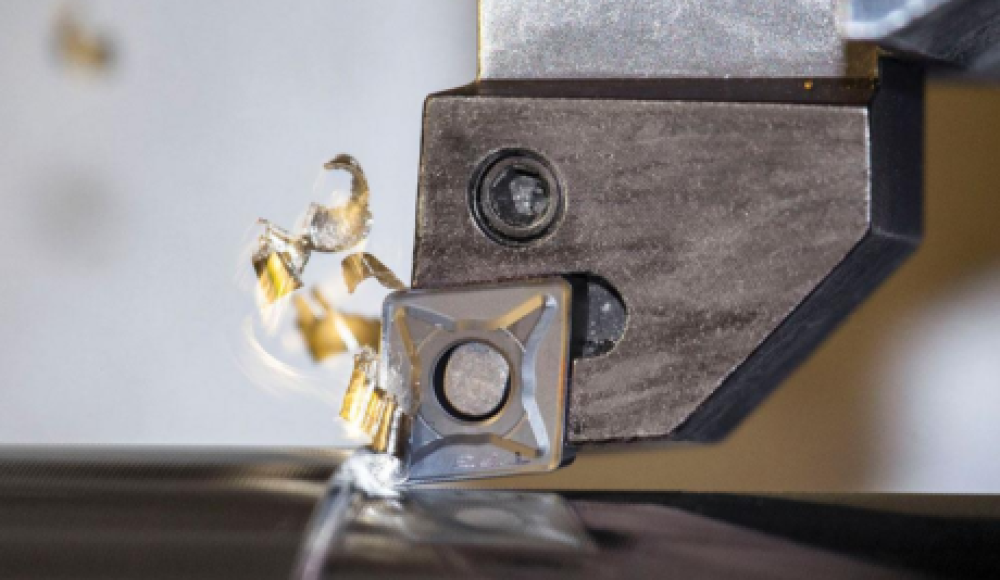
7. Tool Wear
As cutting tools wear down, they tend to create more significant burrs. Regular tool maintenance, monitoring tool wear and timely replacement of dull tools are essential for controlling burr formation.
8. Chip Control
Managing the removal of chips (metal shavings) during the machining process or CNC machining production is crucial. Accumulated chips can interact with the workpiece, causing burrs.
9. Cutting Tool Material
The material from which cutting tools are made can impact burr formation. Harder tool materials tend to produce smaller burrs. Carbide and high-speed steel tools are known for their durability and their ability to reduce burrs.
10. Machining Method
The choice of machining method, such as milling, drilling, turning or grinding, can affect burr formation. Each method has its own unique burr formation characteristics. Selecting the most appropriate method for the application is essential.
Effects of Burr on Machining and Burr Removal
Burr formation can have adverse effects on the functionality and aesthetics of machined parts. Sharp edges or protrusions can hinder the assembly process, impair the performance of moving parts and even pose safety hazards.
To eliminate burrs, several methods are employed, including:
- Manual deburring
- Vibratory deburring
- Thermal deburring.
Each method is selected based on the specific needs of the application.
Method to Remove Burrs From Metals
1. Manual Deburring
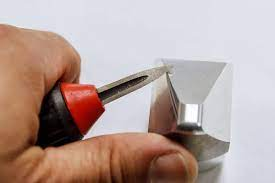
This method involves using hand tools like files, sandpaper, or deburring knives to remove burrs. It is suitable for small-scale operations and parts with accessible burr locations.
2. Vibratory Deburring
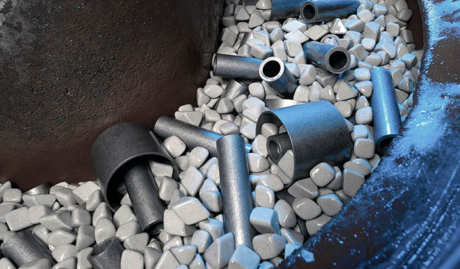
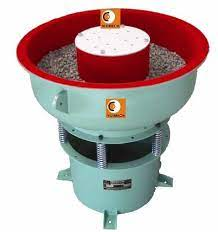
Vibratory deburring machines use abrasive media and vibration to remove burrs from multiple parts simultaneously. It is a cost-effective method for high-volume production.
3. Thermal Deburring
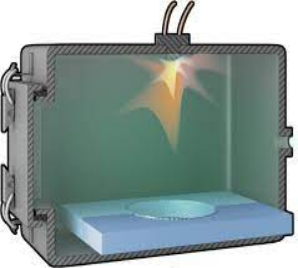
In thermal deburring, burrs are removed by subjecting the workpiece to a combination of heat and oxygen, causing the burrs to burn away. This method is highly precise and suitable for intricate parts.
Saving Costs in Machining Parts Through Effective Deburring Process
In the realm of precision manufacturing, cost-efficiency is a paramount concern. Whether you are operating a small machine shop or managing large-scale production, finding ways to optimize costs while maintaining product quality is essential. One often overlooked yet highly impactful aspect of cost optimization is the deburring process. Effective deburring not only enhances the quality of machined parts but also plays a crucial role in saving costs. Let’s explore how an efficient deburring process can contribute to significant cost savings in machining parts.
1. Improved Product Quality
Effective deburring ensures that your machined parts meet the highest quality standards. Removing sharp edges, burrs, and imperfections not only enhances the product’s aesthetics but also ensures that it functions as intended. When parts are free from burrs, they fit together more seamlessly during assembly, reducing the likelihood of rework, adjustments, or rejected components.
2. Enhanced Operational Efficiency
Deburring plays a vital role in streamlining the manufacturing process. Burr-free parts are easier to handle, reducing the risk of injuries and accidents among workers. This leads to reduced downtime and increased operational efficiency.
3. Minimized Material Waste
By effectively eliminating burrs, you can minimize material waste and make the most of your raw materials. This not only saves costs but also aligns with sustainable and environmentally friendly manufacturing practices.
4. Reduced Reword and Rejects
Burr-related defects can necessitate rework or lead to the rejection of entire batches of machined parts. This can be a costly and time-consuming process. By investing in an effective deburring process, you can drastically reduce the occurrence of rework and rejected parts, saving both time and resources.
5. Optional Tool Usage
An efficient deburring process not only reduces tool wear but also ensures that your cutting tools remain sharp and functional for longer periods. By optimizing tool usage, you can make the most of your tool investments and minimize the need for frequent replacements, ultimately saving costs.
6. Faster Assembly
Burr-free parts ease the assembly process, reducing labor costs and assembly time. Workers can complete their tasks more efficiently and assembly errors are less likely to occur, resulting in substantial cost savings.
Conclusion
In conclusion, deburring is a critical process in metalworking that ensures the quality, safety, and functionality of machined parts. By understanding the causes of burr formation and employing effective deburring techniques, manufacturers can enhance the quality of their products while minimizing production costs. Deburring is not just about smoothening out metal; it is about delivering excellence in every component produced.