
Brief Introduction of Machining and Die Casting
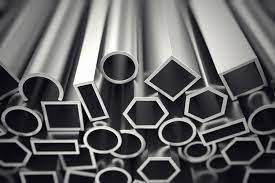
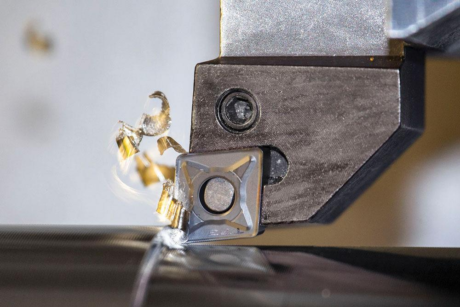
Machining is typically accomplished by removing material, including processes such as cutting, milling, turning, drilling, and grinding. Machining can be done manually, but it is now more commonly performed using computer numerical control (CNC) machine tools, which can execute complex operations with extremely high precision and speed.
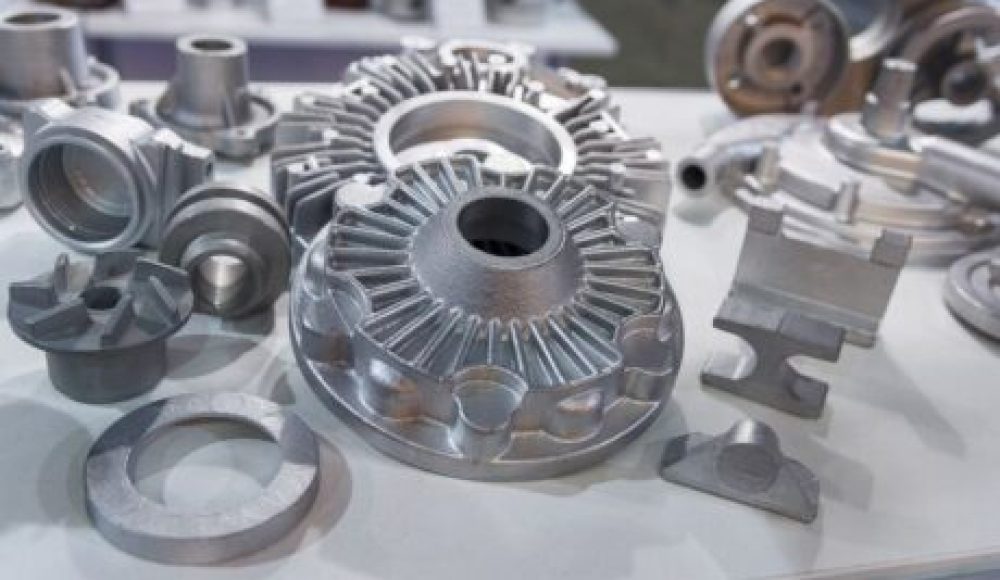
Die casting is a metal casting process that manufactures complex-shaped metal parts by using high pressure to force molten metal into mold cavities. This process is known for its high speed and the ability to produce high-precision, high-quality castings. Die casting is often used to produce large quantities of small to medium-sized metal parts, such as automotive components, household appliance parts, and components for other precision equipment.
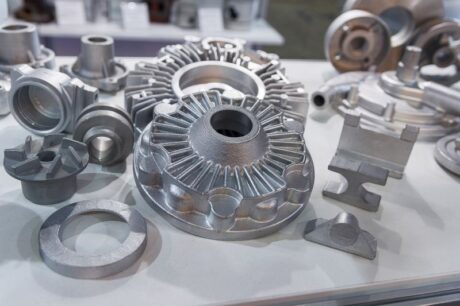
What is the Difference Between Die Casting and Machining
Machining and die casting are two completely different process methods, each with its own advantages and disadvantages. The following outlines their differences in nine aspects:
Choosing Your Best Solution
Volume
Machining:Suitable for small-batch production and customization. The flexibility of machining allows it to effectively produce small quantities of diverse products, especially when high levels of customization or special material processing are required. For small-batch orders or highly customized components, machining is often the more cost-effective choice.
Die casting:Due to the requirement for specialized molds, die casting is better suited for large-scale production. The cost of mold manufacturing is higher, but once the molds are ready, it enables rapid and continuous production of large quantities of identical parts. Therefore, die casting is typically used in situations where thousands or even tens of thousands of the same product need to be produced.
Speed
Machining: During machining, each part typically goes through multiple steps, including positioning, securing, and the actual machining processes (such as cutting, milling, turning, etc.). These steps can add up to a relatively slower overall production speed. This is especially true for complex parts that require more machining time.
Die casting: In the die casting process, molten metal is rapidly injected into molds, cools and solidifies almost instantly, forming the final product shape. This process usually takes only a few seconds to a few minutes, greatly accelerating the production speed. Once the molds are prepared, it allows for continuous and rapid production of a large number of parts.
Precision
Machining: Typically offers higher dimensional accuracy. Modern machining technologies, especially Computer Numerical Control (CNC) machining, can achieve extremely high precision, often at the micron level. This makes machining well-suited for manufacturing parts with high precision requirements, such as those used in aerospace, precision instruments, and medical devices.
Die casting: While die casting can also provide good accuracy, it usually doesn’t achieve the same level of precision as machining. The dimensional accuracy of die-cast parts is influenced by various factors, including the fluidity of the metal, mold accuracy, and shrinkage during the cooling process. For some applications, post-machining may be required after die casting to achieve the desired level of precision.
Waste
Machining: This method typically involves removing material from larger raw materials to form the final product, generating chips, scraps, or other waste in the process. The proportion of waste may be higher when manufacturing complex shapes or small components. While some waste can be recycled and reused, the material utilization efficiency of machining is relatively lower.
Die casting: In the die casting process, molten metal is injected into molds to form the product, with almost no excess material wasted. Therefore, die casting is often much more efficient in terms of material utilization. The waste in the die casting process mainly comes from the residual portions of the runner and gating system during cooling, which can often be recycled.
Part Geometry
Machining: Especially suitable for manufacturing parts with complex geometries and intricate details. Advanced machining techniques, such as multi-axis CNC machine tools, can produce parts with complex internal structures, fine features, and non-standard shapes. Machining offers great flexibility in handling fine details and complex three-dimensional shapes.
Die casting: While it can produce parts with complex shapes, it has certain limitations. Die casting is primarily suited for manufacturing parts with smooth external shapes and relatively large internal spaces. For designs that include very small, sharp, or deep and narrow features, die casting may not be as flexible as machining.
Materials
Machining: Machining is typically highly flexible and can be used with a variety of materials, including metals, plastics, ceramics, composite materials, and more. Therefore, a wide range of materials can be chosen to manufacture parts based on the specific requirements of the application.
Die casting: While die casting can also utilize various materials, it is more adaptable to metal materials. Common die casting materials include aluminum alloys, zinc alloys, magnesium alloys, and the like.
Prototyping
Machining: Typically allows for faster prototyping, especially for small to medium complexity prototypes. Since machining doesn’t require the production of molds, it can start immediately. Rapid prototype fabrication is often completed within hours to a few days, making it suitable for quickly validating design concepts.
Die casting: Manufacturing die-casting molds takes a relatively long time and cost. Therefore, if prototyping is needed, and time is tight, die casting may not be the best choice.
Repeatability
Repeatability in Machining:
Advantages: Machining typically offers higher repeatability. Once the machine tools and cutting tools are set up, they can continuously and precisely produce identical parts without being affected by mold wear or variations. This makes machining well-suited for parts production that requires high consistency, such as in aerospace and medical equipment.
Disadvantages: While machining has high repeatability, the production speed may become relatively slow in large-scale production because each part needs to go through the same machining steps, which can increase the production cycle.
Repeatability in Die Casting:
Advantages: Die casting excels in repeatability when producing large quantities of identical parts. Once the die casting molds are ready, they can continuously and accurately produce a large number of identical parts, making die casting an ideal choice for large-scale production.
Disadvantages: The repeatability in die casting is influenced by mold manufacturing and maintenance. If molds encounter issues or need replacement, it can lead to production interruptions and additional costs. Additionally, die casting is generally not suitable for producing small quantities or custom parts due to the high cost of mold manufacturing.
Product Weight
Machining is suitable for a wide range of products, especially light to medium-weight products, and it offers advantages in terms of flexibility and material selection. Die casting is primarily used for producing medium to heavy metal products and has cost-efficiency and high production speed advantages in large-scale production. When choosing a manufacturing method, considerations should include product weight, production quantity, cost, and material requirements.
Summary
The above are the differences between machining and die casting in 18 different aspects. You can choose the machining method that suits your needs by understanding their advantages and disadvantages. Feel free to reach out to us for consultation as well.