
What is Aluminum?
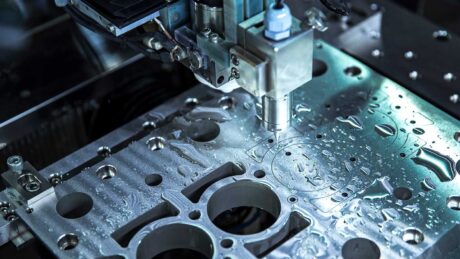
Aluminum is a metal with excellent conductivity and thermal properties, making it widely used in various industrial fields.
Properties and Characteristics of Aluminum:
- Lightweight:Compared to other materials, aluminum has low density, making it suitable for applications in aerospace, automotive, and more.
- Conductivity:Aluminum’s excellent conductivity makes it ideal for electrical circuits and is commonly used in radiators, such as those in car cooling systems.
- Corrosion Resistance: Aluminum naturally forms an oxide layer on its surface, preventing direct contact with air and avoiding oxidation.
- Ductility:Aluminum is relatively soft and ductile, allowing it to be shaped into ingots, rods, or sheets for various applications.
- Recyclability:Aluminum is recyclable; processing scrap or leftover material involves remelting, reducing environmental impact, and conserving resources.
History of Aluminum:
The history of aluminum spans ancient times, but its significant industrial use emerged in modern times, particularly in aerospace, automotive, medical, and communication industries.
- Ancient Use:Aluminum-containing compounds were discovered in ancient times, used for dyes and samples.
- Discovery of Aluminum Element (1825): Hans Christian Ørsted and Peter Christian independently discovered aluminum. Friedrich Wöhler successfully produced it as a metal in 1827.
- Early Production Challenges:Early extraction techniques were immature, making aluminum as expensive as gold.
- Early Industrial Production (1845): Friedrich Franz invented an electrolytic method to refine aluminum, though it remained costly.
- Mid-Industrial Production (1886):Charles Martin Hall and Paul Louis Toussaint Héroult independently introduced a more cost-effective electrolytic method, laying the foundation for mass aluminum production.
- Large-Scale Industrialization (Late 19th and Early 20th Century):The Hall-Héroult process enabled large-scale aluminum production for diverse applications, including aerospace, automotive, and electronics.
- Modern Development:Ongoing scientific advancements have led to updates in the aluminum production process, enhancing efficiency and environmental friendliness.
How is Aluminum Made?
Aluminum is extracted through the electrolytic process from aluminum oxide. Here are the basic steps involved in the extraction:
- Preparation of Aluminum Oxide:Aluminum is typically found in the form of aluminum oxide in ores. Therefore, the first step involves extracting aluminum from the ore.
- Melting of Aluminum Oxide:After extracting aluminum oxide, it is melted into an electrolyte. Usually, a mixture of aluminum oxide and calcium fluoride is prepared and then placed in an electrolytic furnace at a high temperature of around 950 degrees Celsius.
- Electrolysis:The molten aluminum oxide is introduced into an electrolytic cell, which is then electrified. The cathode consists of conductive carbon blocks, while the anode is a mixture of aluminum ore (cryolite) and calcium fluoride. Under the influence of the electric current, oxygen ions in the aluminum oxide are reduced to form aluminum metal.
- Collection of Aluminum:Through the action of the electrolytic cell, aluminum metal deposits at the bottom. The collected aluminum is then sent to processing plants for further production.
This process is crucial in the production of aluminum, allowing for its utilization in various industries and applications.
Significance of Aluminum in Modern Society
Aluminum plays a crucial role in various aspects of modern society:
- Aerospace:Used in aircraft construction to enhance fuel efficiency and overall performance.
- Automotive Manufacturing:Applied in vehicle bodies, doors, and engine components to reduce weight and improve fuel efficiency.
- Construction and Structures:Utilized in door frames, windows, roofs for its corrosion resistance, enhancing durability.
- Packaging:Aluminum cans and foils are used for food preservation due to excellent sealing properties.
- Electronics:Frequently used for electronic product casings, thanks to its good conductivity and heat dissipation.
Types of Aluminum:
Aluminum exists in various forms and alloys, mainly categorized as follows:
- Pure Aluminum (Purity Above 99%):Pure aluminum refers to aluminum with a content of over 99%. It is typically used in scientific research or specialized industries.
- Aluminum Alloys:Aluminum alloys involve adding elements (such as copper, zinc, manganese, silicon, etc.) to pure aluminum. These alloys exhibit improved mechanical properties, corrosion resistance, or strength and find extensive applications across various industrial sectors.
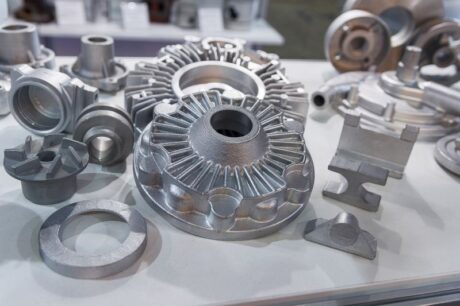
- Cast Aluminum Alloys:This type of aluminum alloy is primarily used in die-casting or casting processes. It is commonly applied in the production of relatively complex components.
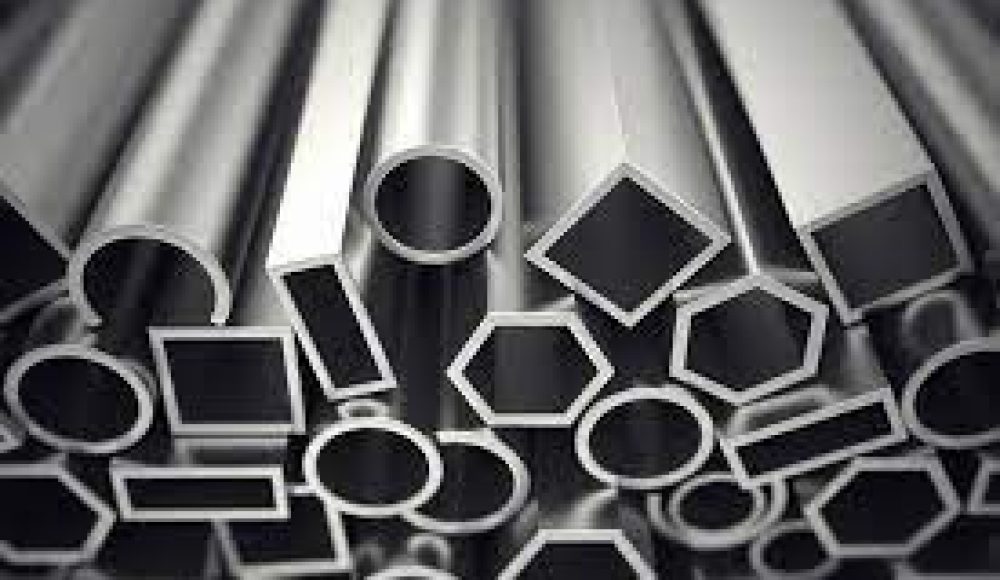
- Deformable Aluminum Alloys:Deformable aluminum alloys are employed in processes like extrusion to alter their shape. Ultimately, they are formed into extruded aluminum profiles, aluminum rods, pipes, sheets, and other products.
Understanding the diverse types of aluminum is essential for catering to the specific needs of different industries and ensuring the optimal performance of aluminum-based products.
Aluminum in the Environment
Aluminum is recyclable, contributing to resource conservation and reducing environmental pollution. The following are key factors in the recycling and sustainable development of aluminum:
- Recyclability of Aluminum:Aluminum is highly recyclable, allowing for repeated recycling and reuse without compromising its physical and chemical properties. Compared to extracting aluminum through ore electrolysis, recycling minimizes environmental pollution during the refining process and reduces carbon dioxide emissions.
- Circular Economy:Embracing a circular economy involves recycling discarded aluminum, processing it for reuse in production. This practice decreases the demand for new aluminum materials, lowering production costs and reliance on natural resources.
- Waste Reduction:The recyclability of aluminum contributes to waste reduction, eliminating the need for landfill disposal or incineration to address waste issues.
- Energy Savings:Recycling aluminum requires only about 5% of the energy compared to extracting aluminum from bauxite ore. This significant energy saving helps conserve valuable resources.
- Rise of Green Consumerism:Advocating and promoting the purchase of products made from recycled aluminum encourages green consumerism. This shift towards eco-friendly choices fosters a sustainable development path for a greener society.
Promoting aluminum recycling not only helps manage waste effectively but also aligns with the broader goals of sustainable development, energy efficiency, and reducing environmental impact.
Advantages and Disadvantages of Aluminum
Advantages
- Lightweight: Low density makes it ideal for weight-sensitive applications.
- Corrosion Resistance:Forms a protective oxide layer, ensuring durability in humid environments.
- Ductility:Easily shaped for various applications through processes like extrusion and die-casting.
- Conductivity: Excellent electrical conductivity suits applications in circuit boards and power transmission.
- Recyclability: Highly recyclable, reducing environmental impact and costs.
Heat Conductivity: Good thermal conductivity, used in heat sinks and cooling devices.
Disadvantages
- Low Melting Point:Relatively low melting point (660°C) limits applications in high-temperature environments.
- Relatively Soft:Pure aluminum is soft; alloying elements are added to enhance hardness.
- High-Energy Production: The aluminum extraction process demands significant energy.
- Surface Treatment Requirement: Prone to oxidation when exposed to air for extended periods.
Future Trends in Aluminum Application (2024)
- Lightweighting Trend:Growing demand for lightweight materials in aerospace, automotive, and electric vehicles will continue to drive aluminum’s importance.
- Electric Transportation: Increasing requirements for electric vehicles will enhance the demand for lightweight materials, maintaining aluminum’s significance.
- Sustainable Development in Construction:Continued emphasis on environmental sustainability will lead to increased use of aluminum alloys in construction.
- Electronics Advancements: Ongoing technological progress will reinforce aluminum’s role in meeting demands for lightweight, thin, and durable electronic products.
- Reinforcement of Circular Economy:Global efforts toward sustainable economic development will drive innovations in aluminum recycling technology, reducing the need for primary aluminum production.
FAQs:
- Does Aluminum Rust?
No, aluminum does not rust; it naturally forms an oxide layer that prevents further oxidation. Surface treatments like anodizing or passivation can enhance corrosion resistance.
- Does Aluminum Have Alloys?
Yes, aluminum is commonly alloyed with elements such as copper, zinc, silicon, magnesium, manganese, lithium, etc.